In many industrial plants, process control is still largely reactive—responding to deviations only after they occur. But as operations become more complex, industries need systems that can anticipate changes, guide operations toward optimal targets, and maintain stability continuously.
This is where Target-Driven Trajectory optimization brings a new level of intelligence to industrial operations.
Think of it as a high-precision navigation system for your process—continuously predicting the best operational path to reach performance goals while avoiding instability.
How It Works
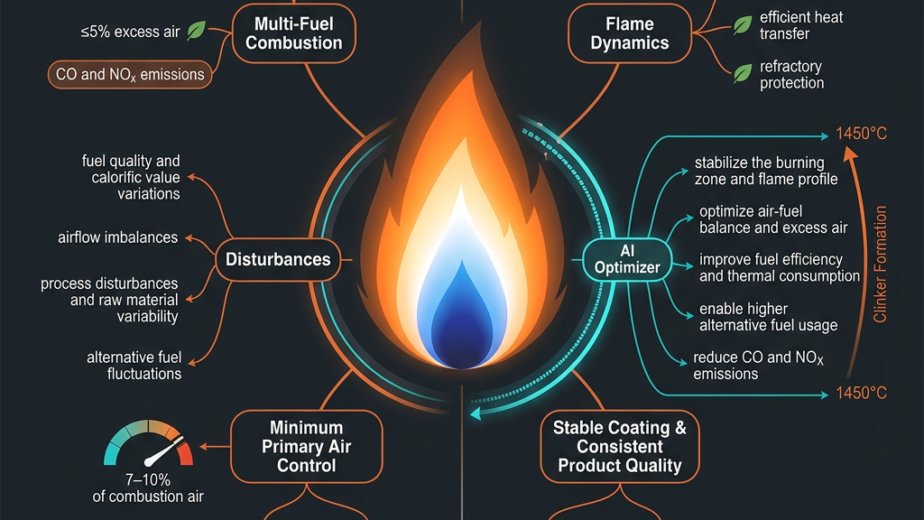
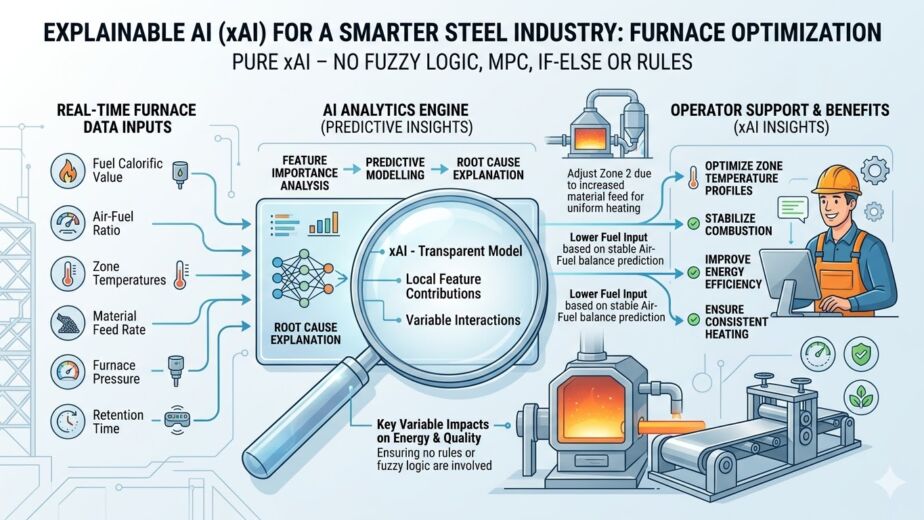
- Future-State Prediction: Using real-time SCADA and IoT data—including flow rates, pressure, temperature, and other process variables—the system predicts the optimal future state of the process before deviations occur.
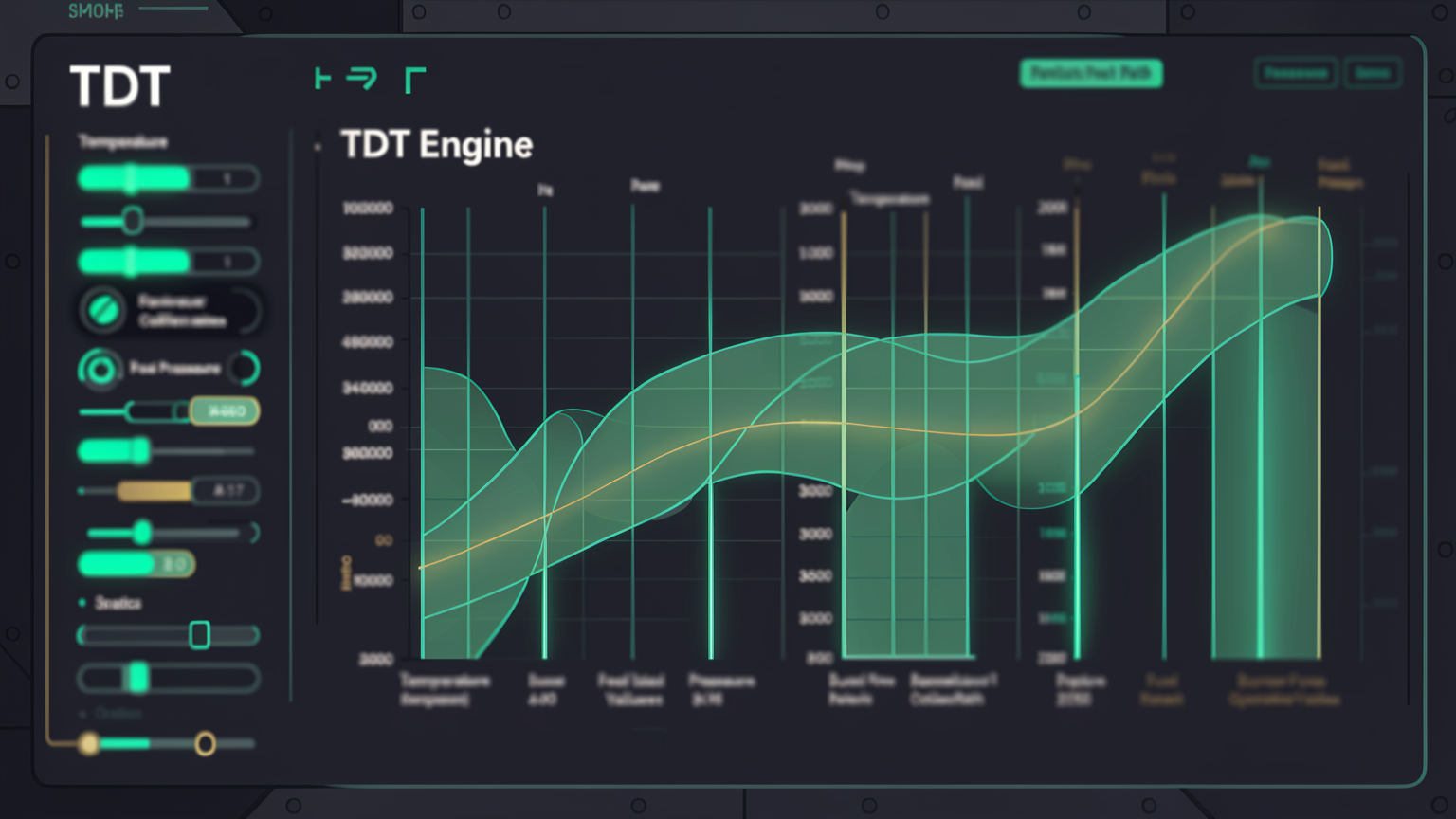
- Intelligent Path Mapping: Multiple operational trajectories are simulated and evaluated. The system identifies the “Golden Path” that ensures consistent product quality with minimum energy consumption.
- Golden Setpoint Generation: Instead of relying on manual tuning, the system dynamically generates optimal setpoints for each stage of the process, instantly recalculating during disturbances to prevent instability and production losses.
- Continuous Goal Alignment: An Active Digital Twin continuously compares real plant performance against the predicted trajectory and automatically recalculates adjustments in real time to maintain stable operations and output quality targets.
The result: proactive process optimization, improved stability, lower energy consumption, and consistent product quality.
At Arnest, we are focused on bringing advanced Industrial AI technologies that help process industries move from reactive operations to intelligent, target-driven performance optimization.